


-

Add: HeBei ShengShi HongBang Cellulose Technology CO.,LTD.
-

Email
13180486930@163.com -

CONTACT US
+86 13180486930
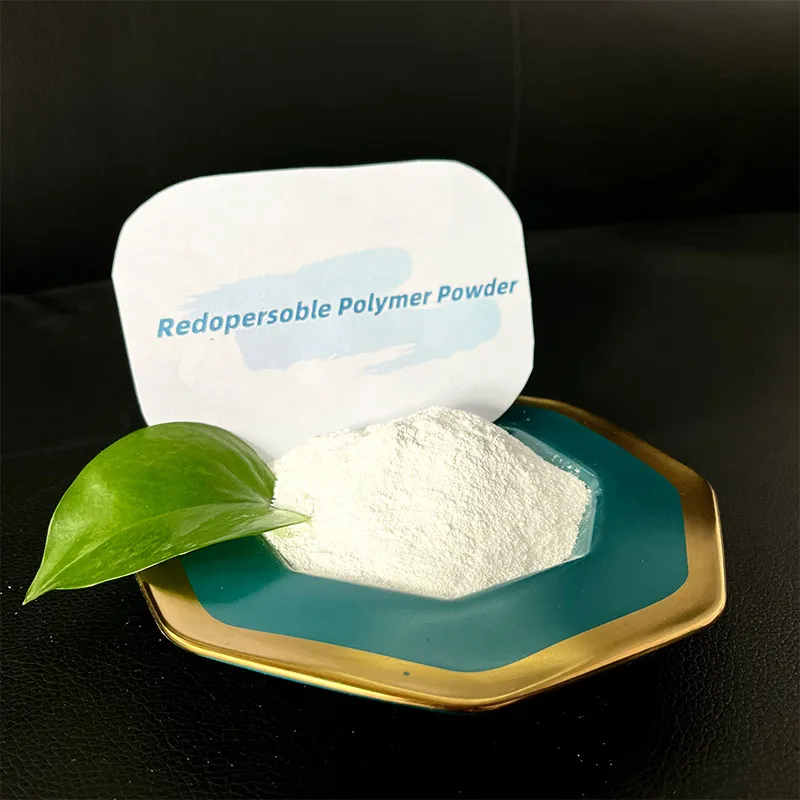
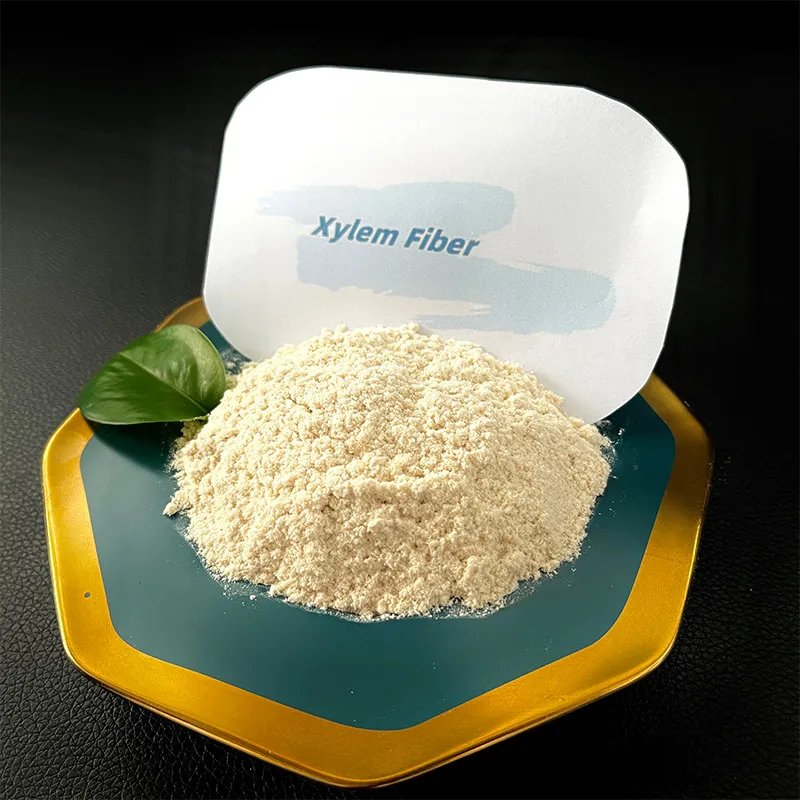
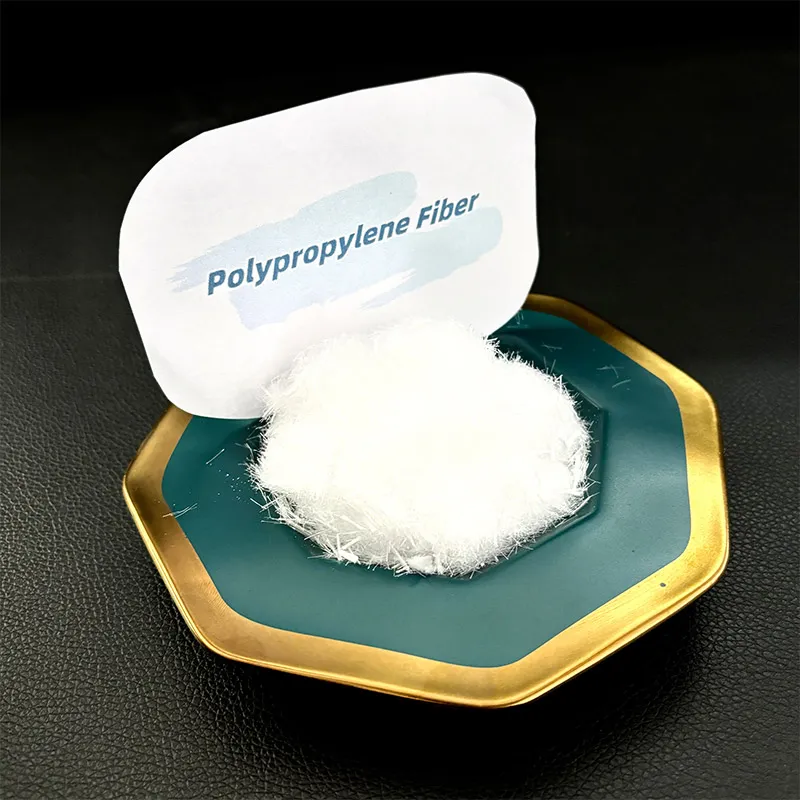
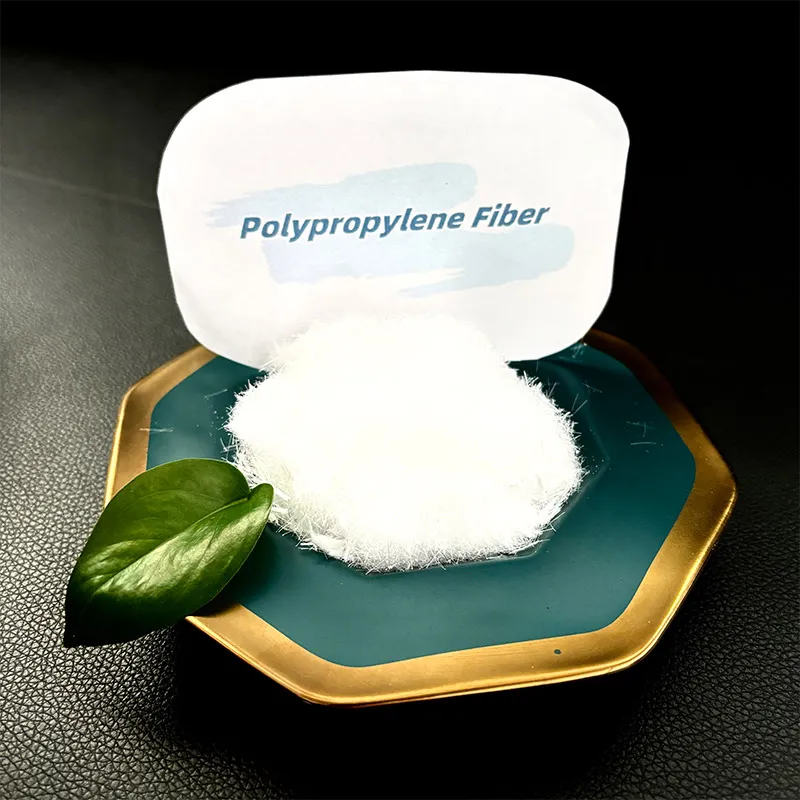
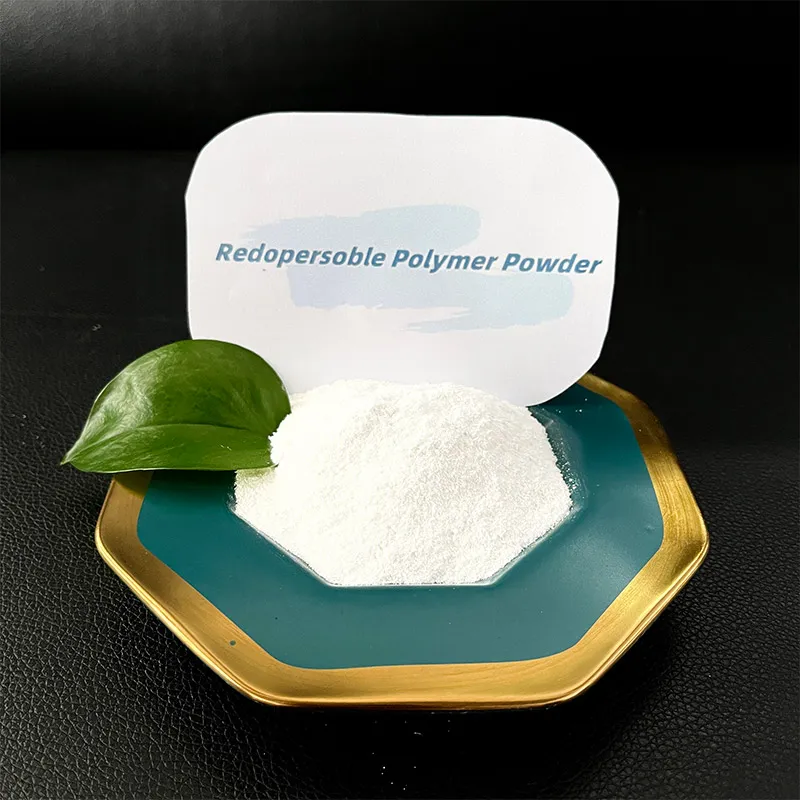
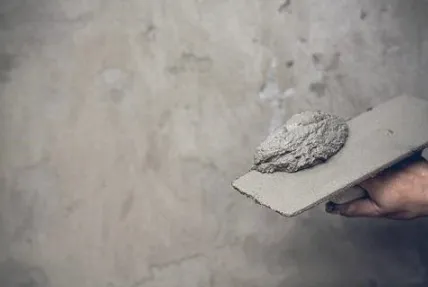


Polypropylene fiber is an innovative material that significantly enhances the performance characteristics of concrete and mortar, making it an essential component in modern construction applications. As a premier supplier, HeBei ShengShi HongBang delivers premium-grade polypropylene fibers that meet rigorous international standards for strength, durability, and performance optimization. Technical Specifications of Premium Polypropylene Fibers Parameter Standard Value Test Method Performance Benefit Fiber Length 3-20 mm ASTM D2130 Crack control optimization Diameter 18-45 microns ISO 1888 Optimal reinforcement distribution Tensile Strength 400-750 MPa ASTM D2101 Structural reinforcement Elastic Modulus 3.5-10 GPa ISO 527 Flexural strength enhancement Melting Point 160-170°C ASTM D7138 Heat resistance Density 0.91 g/cm³ ISO 1183 Ease of mixing Alkali Resistance >95% ASTM C1116 Concrete matrix longevity Dosage Rate 0.6-1.8 kg/m³ ACI 544 Plastic shrinkage reduction Industry Applications & Technical Advantages Concrete Reinforcement Our pp fiber products reduce crack formation by up to 85% while improving impact resistance by 150% (ACI Materials Journal). Mortar Enhancement Microfiber synthetic additives decrease permeability and improve freeze-thaw durability in mortar applications. Pavement Construction Integrating polypropylene fibre extends road lifespan by minimizing reflective cracking (Journal of Materials in Civil Engineering). Industrial Flooring Our fibers increase abrasion resistance and eliminate joint spacing limitations in warehouse slabs. Performance Analysis of Polypropylene Fibers Comparative strength development in fiber-reinforced concrete Surface durability under abrasion testing cycles (ASTM C944) Global market growth projections for synthetic fibers (2024-2030) Technical FAQ: Polypropylene Fiber Applications What fiber length provides optimal crack control? For most concrete applications, 12mm fibers demonstrate optimal performance with uniform dispersion and maximum crack-bridging capability according to RILEM technical recommendations. For spray applications, 6mm microfibers are preferred. How does aspect ratio affect reinforcement? Aspect ratio (length/diameter) directly influences bonding strength. We manufacture fibers with 200-500 ratios ideal for different mix designs. Higher ratios increase tensile strength but require careful mixing procedures. What polymer grade is suitable for aggressive environments? Our chemically-modified homopolymer fibers with pH stability from 1-13 withstand harsh chemical exposure exceeding 20 years according to ASTM C666 freeze-thaw certification. How does dosage affect compressive strength? Optimal dosages between 0.9-1.2kg/m³ increase compressive strength 15-20% as documented in ACI 544.3R reports. Higher dosages improve toughness but may slightly decrease workability. What surface treatments enhance bonding? Our proprietary hydrophilic coating improves fiber-matrix bond strength by 30% compared to untreated fibers (CTLGroup testing). This treatment also reduces mixing time. How do synthetic fibers compare to steel reinforcement? While steel provides primary reinforcement, polypropylene fiber offers secondary reinforcement with superior crack control, corrosion resistance, and freeze-thaw protection at 1/10 the material cost. What certifications does your production meet? Our manufacturing facility is ISO 9001:2015 certified with individual products meeting ASTM C1116, EN 14889-2, and JIS A6204 standards for consistent quality assurance. Industry Recognition & Technical Validation "Recent studies confirm that properly engineered polypropylene fibers can extend concrete service life by 40-60% by effectively controlling microcrack formation during critical curing stages." - International Journal of Concrete Structures and Materials Additional Technical References: "Performance Evaluation of Synthetic Fiber Reinforced Concrete" - American Concrete Institute ( www.concrete.org ) "Global Fiber Market Analysis 2023" - Fiber Cement Composite Research Council ( fibercomposites.org ) "Durability Enhancements through Microfibers" - Journal of Building Materials Science ( jbms.build ) "Comparative Analysis of Fiber Reinforcements" - Materials and Structures Journal ( matsstruct.springer.com ) "Advanced Production Techniques for PP Fibers" - International Fiber Association ( globalfibers.org ) Request Your Technical Sample Package Experience the ShengShi HongBang difference in our premium polypropylene fiber products engineered for superior performance. Contact Our Engineering Team Call: +86 13180486930 Email: 13180486930@163.com
- 40000tons

Production
- 20+years

Experience
- 5000+㎡

Acreage

-
Hydroxypropyl methylcellulose (HPMC), also known as hypromellose, is a versatile compound used in various industries due to its valuable properties. With a unique blend of stabilizing, thickening, and film-forming abilities, it stands out especially in the pharmaceutical, food, and construction sectors. Understanding its features, applications, and benefits can offer a deeper insight into why HPMC is a crucial component in many formulations today. One of the distinguishing qualities of HPMC is its origin. Derived from cellulose, a natural polymer, it combines nature's reliability with chemical innovation. Through a process of etherification, cellulose undergoes transformation, enhancing its solubility and thermal stability—key factors contributing to its widespread usage. Because it is non-toxic, biodegradable, and shows excellent compatibility with a wide range of substances, it is esteemed for its safety profile, ensuring trust and reliability in its applications. In the pharmaceutical realm, HPMC plays a pivotal role as an excipient. It is commonly used as a binder in tablets, where it helps in sustaining the release of active ingredients, making medications more effective over longer periods. Its use in ophthalmic solutions is another notable example, where HPMC acts as a lubricant, providing relief from dry eyes. This versatility demonstrates its therapeutic potential, enhancing the efficiency and efficacy of pharmaceutical preparations. The food industry also capitalizes on the remarkable characteristics of HPMC. It acts as a thickener, stabilizer, and emulsifier in various food products, from sauces and dressings to baked goods and dairy items. Its ability to maintain moisture and improve texture without altering the taste makes it invaluable, contributing both to product consistency and consumer satisfaction. what is hydroxypropyl methyl cellulose Further endorsing its multi-industry prevalence is HPMC's role in construction. Here, it is integral to the formulation of many modern building materials. Used in cement renders, gypsum products, and tile adhesives, HPMC improves workability and adhesion while reducing water retention. These properties enhance the durability and longevity of construction applications, confirming its importance in structural integrity. Moreover, the resilience of HPMC in varying temperatures—retaining its properties from freezing to boiling points—adds to its adaptability and reliability in different environmental conditions. As global standards call for more environmentally friendly and efficient materials, HPMC aligns perfectly with these needs. As a biodegradable substance, it provides an environmentally conscious option for companies seeking sustainable solutions, further cementing its status as a preferred choice in manufacturing. In conclusion, hydroxypropyl methylcellulose is more than a mere chemical entity; it embodies the intersection of safety , efficacy, and functionality. Whether utilized in pharmaceuticals, food products, or construction, HPMC stands as a testament to innovation in material science. Its integration into various sectors underscores its necessity and versatility, making it an irreplaceable ingredient in modern industry applications. As industries continue to evolve, the reliance on materials like HPMC that deliver consistent quality while adhering to safety and environmental protocols will undoubtedly increase, paving the way for future advancements.
-
Hydroxypropyl Methylcellulose (HPMC), widely recognized in industrial and pharmaceutical sectors, has generated significant interest due to its versatile applications. For those unfamiliar, HPMC is a non-ionic cellulose ether, often employed for its emulsifying, thickening, and film-forming capabilities. Its multifunctional properties make it a valuable component across various industries, from construction to pharmaceuticals, owing to its high-performance benefits and adaptability. In the world of construction, HPMC is frequently utilized in products such as tile adhesives, cement renders, and wall putties. Its ability to improve workability, water retention, and anti-sag properties makes it indispensable. A construction expert noted, Using HPMC in our cement mixes transformed our process efficiency. It provided the desired consistency and improved adhesive properties, which in turn, enhanced our final construction. Moving to the pharmaceutical realm, HPMC stands out as a vital excipient. It serves as a controlled-release agent in oral drug delivery systems. Experts agree on its safety and efficacy as the backbone for developing tablets with precise dissolution rates. Dr. Sarah Thompson, a pharmaceutical scientist, mentions, HPMC revolutionized oral drug formulations. It provided a reliable matrix for controlled release, which is crucial for maintaining therapeutic drug levels in patients. In food technologies, HPMC is gaining momentum as a fat substitute and stabilizer. Given the rise in health-conscious consumerism, its ability to form films and retain moisture in low-fat foods has positioned it as an innovative solution. A comparative study on food textures revealed, When incorporated into low-fat dairy products, HPMC maintained creaminess without compromising taste, marking a step forward in the development of healthier food options. Cosmetic formulations greatly benefit from HPMC due to its skin-friendly attributes. It acts as a film-former and thickening agent in creams and lotions, enhancing the stability and texture of the product. Renowned dermatologist Dr . Emily Carter explains, HPMC in skincare ensures consistent viscosity, improving product feel and application, which is essential for consumer satisfaction. hpmc is a HPMC's role doesn't end here. In personal care product formulations, it ensures consistency and performance. Its resistance to salts and electrolytes makes it a preferred choice in shampoos and conditioners. The formulation chemist, John Lee, approved this asserting, The versatility of HPMC astonished us. Its non-reactive nature allowed it to perform exceptionally well in diverse pH environments, maintaining the desired texture and effectiveness of personal care products. With increasing environmental awareness, HPMC's biodegradable properties contribute to its appeal. It offers an eco-friendly alternative without sacrificing performance. Manufacturers like EcoCon Solutions are pioneering the shift towards sustainable materials, emphasizing that using HPMC aligns with our commitment to the environment, marrying functionality with eco-consciousness. The expertise behind HPMC's applications is rigorously supported by researchers and industry professionals. Its widespread acceptance underscores the authoritative knowledge regarding its benefits, stemming from years of research and proven applications. Trustworthiness is inherent, as regulatory bodies worldwide have endorsed HPMC for various uses, ensuring it meets stringent safety and quality standards. Exploring real-world experiences, professionals across industries have acknowledged HPMC for its transformative impact. From enhancing performance to fostering sustainable production, it plays a critical role in optimizing processes and products. By integrating it, industries not only improve their offerings but also cater to an increasingly demanding consumer base looking for reliable and effective solutions. In conclusion, HPMC is more than just a versatile ingredient; it is a testament to innovation in material science. Its applications span multiple sectors, continuously evolving with industry needs. As companies strive for excellence in product development and sustainability, HPMC offers a robust, reliable foundation that aligns with contemporary market demands and ecological responsibilities.
advantages
-

200000 Viscosities
Excellent product
We can produce pure products up to 200,000 viscosities
-

40000 tons
High yield
We don’t stop production all year round, and the annual output can reach 40,000 tons
-

24 hours
Quality service
We provide 24-hours online reception service, welcome to consult at any time
———— Inquiry Form
Schedule A services

-
 pp_fiber_kongkreto
Oct . 25, 2025
Retaine HPMC drops have emerged as a significant innovation in eye care, offering a unique blend of -
 macro_fiber_reinforcement
Oct . 25, 2025
Acid-modified starch, an innovative alteration of native starch, has garnered attention for its uniq -
 hydroxyethyl_starch_130_0_point_4
Oct . 25, 2025
Hydroxypropyl Methylcellulose (HPMC), widely recognized in industrial and pharmaceutical sectors, ha


